



In politics today
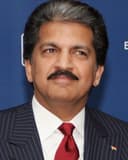
Raghuram Rajan
RBI Governor 2013-16, now a University of Chicago economist. 'Breaking the Mould' (2023, with Rohit Lamba) argues India under-invests in health, education and institutional independence — a case against industrial-policy shortcuts, for competitive federalism among states, made from outside any political party.
Furthest from the middle on Markets, toward Market-led development.
Where they stand
Raghuram Rajan on each of the seven scales, from one pole to the other.
Welfare
−2.0Expansive state provisionMinimal/targeted provisionMarkets
+6.0State-led developmentMarket-led developmentRecognition
0.0Formal equalityGroup remediesNation
−4.0PluralistMajoritarianAuthority
−5.0Civil libertiesStrong stateCulture
0.0Personal autonomyTraditional normsFederalism
+2.0CentreStates
The record, axis by axis
Every placement is scored on what was said and done — manifestos, legislation, the governing record — and calibrated against the same trade-offs the quiz asks about.
'Breaking the Mould' (2023, with Rohit Lamba) argues India under-invests in public health and school education relative to peers and that this, not cash transfers, is the binding constraint on growth — a case for more state provision of core services, paired with scepticism of unconditional populist transfers
A career competition economist who wrote 'Saving Capitalism from the Capitalists', warned as RBI Governor (2013-16) about rising bad loans, and has repeatedly argued against PLI-style industrial policy and tariff protection in favour of fixing education, ease of doing business and firm-level competition
Writes about human-capital deficits across disadvantaged groups broadly rather than caste-specific remedies; no stated quota position
Has warned publicly that India's growth story depends on institutional independence and openness to criticism, and flagged concerns about shrinking space for dissent and press freedom, without directly engaging CAA, UCC or temple disputes
Told a King's College London 'India Town Hall' on 18 January 2024 that 'suppressing criticism is bad for government' because it removes the feedback needed to course-correct — echoing a similar warning he gave in October 2019 — and defended RBI's independence during his own tenure amid reported government pressure, a consistent institutional-checks voice since leaving office
No stated position on personal-autonomy or traditional-norms questions; an economist's public record, not a social one
Argues competitive federalism among states — attracting investment on their own merits — is a genuine driver of growth, without a specific position on devolution shares or Governors
And where do you stand?
Answer the same trade-offs yourself and get your seven readings, on the scales you just read.
Free · Anonymous · No account