


In history
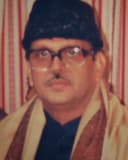
Kanshi Ram
1934–2006
Founder of BAMCEF, DS-4 and the Bahujan Samaj Party, and the organiser who turned Ambedkar's constituency into a bloc that could take office. 'Jiski jitni sankhya bhari, uski utni bhagidari' was the entire programme; he never headed a government, and everything else in his politics was made subordinate to it.
Furthest from the middle on Recognition, toward Group remedies.
Where they stand
Kanshi Ram on each of the seven scales, from one pole to the other.
Welfare
−3.0Expansive state provisionMinimal/targeted provisionMarkets
0.0State-led developmentMarket-led developmentRecognition
+10.0Formal equalityGroup remediesNation
−3.0PluralistMajoritarianAuthority
+1.0Civil libertiesStrong stateCulture
−3.0Personal autonomyTraditional normsFederalism
0.0CentreStates
The record, axis by axis
Every placement is scored on what was said and done — manifestos, legislation, the governing record — and calibrated against the same trade-offs the quiz asks about.
Placed on doctrine and party practice, not office: political power was his master key, and the BSP governments he installed put SC sub-plan spending and dignity infrastructure ahead of cash transfers, on fiscally orthodox budgets.
Left no economic programme in his writings or the BSP's founding platform; the party entered the 1991 reform decade without a nationalisation or liberalisation plank, funding the movement through government employees' subscriptions rather than class analysis.
The whole of his politics: BAMCEF (1978) organised SC, ST, OBC and converted-minority employees; DS-4 (1981) tested it electorally; the BSP followed on 14 April 1984; 'The Chamcha Age' (1982) attacked Dalit leaders who took office in other people's parties instead of building their own.
Ambedkarite anti-Brahminism made the upper-caste order, not minorities, the adversary, and he announced in 2002 his plan to convert to Buddhism with his followers — yet installed Mayawati with BJP support in 1995 and 1997, two years after 'Mile Mulayam Kanshi Ram, hawa mein ud gaye Jai Shri Ram'.
Wrote nothing on state power beyond the imperative to capture it; the governments his movement produced used the NSA and the UP Goonda Act freely, and he took no civil-liberties position of his own
Ambedkarite rationalism and a planned mass conversion out of Hinduism, plus a personal renunciation of family and property for the movement — with no stated position on gender, sexuality or personal autonomy
Worked entirely inside UP and national electoral arithmetic; the BSP's standing demand to split UP into four states is an administrative claim, not a Centre-state one
And where do you stand?
Answer the same trade-offs yourself and get your seven readings, on the scales you just read.
Free · Anonymous · No account