


In history
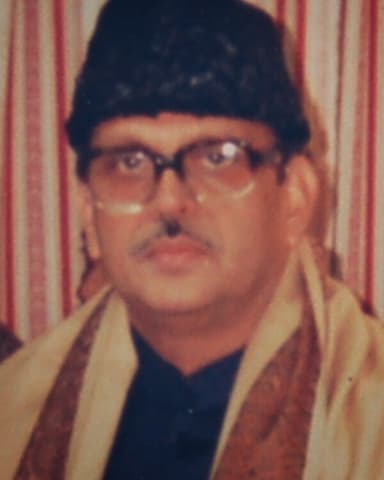
V.P. Singh
1931–2008
Prime Minister for eleven months, December 1989 to November 1990. Rajiv Gandhi's Finance Minister turned his chief accuser over Bofors, then the man who implemented the Mandal Commission's 27% reservation in August 1990 and stood behind the arrest of L.K. Advani in October rather than let the Ram Rath Yatra through — losing his government weeks later.
Furthest from the middle on Recognition, toward Group remedies.
Where they stand
V.P. Singh on each of the seven scales, from one pole to the other.
Welfare
−6.0Expansive state provisionMinimal/targeted provisionMarkets
−2.0State-led developmentMarket-led developmentRecognition
+9.5Formal equalityGroup remediesNation
−8.0PluralistMajoritarianAuthority
+3.0Civil libertiesStrong stateCulture
0.0Personal autonomyTraditional normsFederalism
+5.0CentreStates
The record, axis by axis
Every placement is scored on what was said and done — manifestos, legislation, the governing record — and calibrated against the same trade-offs the quiz asks about.
The 1990 rural debt relief scheme wrote off farm and rural loans up to ₹10,000 at a cost near ₹10,000 crore, on a National Front programme that put the village ahead of the fisc
As Finance Minister 1984-87 he ran the raids on business that earned the period its name, and two decades later was arrested in Ghaziabad protesting the Dadri land acquisition for a Reliance power project — against the import-licensing cuts and MODVAT of the same finance ministry
Announced Mandal implementation on 7 August 1990 and issued the Office Memorandum on 13 August — 27% for OBCs in central jobs and public undertakings, taking total reservation to 49.5% after Indira and Rajiv Gandhi had shelved the 1980 report; upheld in Indra Sawhney (1992) with the creamy-layer limit
Stood behind Advani's arrest on 24 October 1990, stopping the Ram Rath Yatra, and let the BJP bring his government down rather than reverse it; appointed India's first Muslim Home Minister — against a Kashmir policy that installed Jagmohan over the elected Chief Minister and presided over the Pandit exodus
The Armed Forces (Jammu and Kashmir) Special Powers Act was enacted in September 1990 on his watch, granting lethal force and immunity from prosecution without central sanction, alongside Governor's rule in the state from January — from a politician whose whole career was built on exposing official misconduct
Personally austere and a poet and painter by inclination, with no social-reform or personal-autonomy programme of any kind; this axis's issue space simply does not meet his record
Constituted the Inter-State Council by presidential order on 28 May 1990 under Article 263, acting on a central recommendation of the Sarkaria Commission that had sat unimplemented since its 1988 report, and governed through a National Front resting on the DMK, TDP and AGP
And where do you stand?
Answer the same trade-offs yourself and get your seven readings, on the scales you just read.
Free · Anonymous · No account