


In history
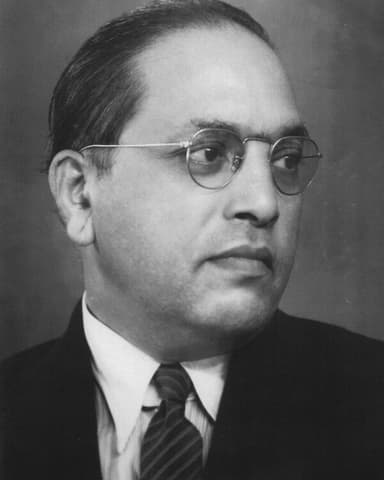
B.R. Ambedkar
1891–1956
Chairman of the Constitution's drafting committee and the century's sharpest critic of caste. State-led remedy — reservations, the Hindu Code, labour law — argued through constitutional method; converted to Buddhism in 1956.
Furthest from the middle on Recognition, toward Group remedies.
Where they stand
B.R. Ambedkar on each of the seven scales, from one pole to the other.
Welfare
−8.0Expansive state provisionMinimal/targeted provisionMarkets
−7.0State-led developmentMarket-led developmentRecognition
+10.0Formal equalityGroup remediesNation
−8.0PluralistMajoritarianAuthority
−1.0Civil libertiesStrong stateCulture
−9.0Personal autonomyTraditional normsFederalism
−5.0CentreStates
The record, axis by axis
Every placement is scored on what was said and done — manifestos, legislation, the governing record — and calibrated against the same trade-offs the quiz asks about.
'States and Minorities' (1947) proposed state-owned insurance and state provision as constitutional obligations, not policy choices
The same text demanded nationalisation of key industry and of agriculture through collective farms — though as a trained economist he rejected Soviet-style compulsion
Architect of Articles 15(4) and 16(4), demanded separate electorates and conceded reserved seats in the Poona Pact under Gandhi's fast, and wrote 'Annihilation of Caste'; the entire constitutional grammar of group remedy is his
Renounced Hinduism for Buddhism in 1956 and drafted a constitution of equal citizenship with no religious character for the state
Built Article 32 as the 'heart and soul' of the Constitution, but his 'grammar of anarchy' speech rejected satyagraha once constitutional means existed
The Hindu Code Bill — divorce, monogamy, women's inheritance — and he resigned from Cabinet in 1951 when it was blocked
Called the Constitution federal 'but with a strong Centre', and designed Article 356, the single judiciary and the Union List's dominance
And where do you stand?
Answer the same trade-offs yourself and get your seven readings, on the scales you just read.
Free · Anonymous · No account