


In history
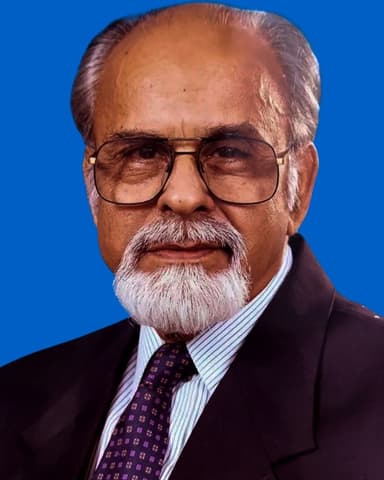
I.K. Gujral
1919–2012
Prime Minister 1997–98, remembered for the Gujral Doctrine of unreciprocated generosity toward smaller neighbours. As Indira's Information Minister in 1975 he refused Sanjay Gandhi's censorship orders and was exiled to Moscow for it; resigned rather than drop the DMK in 1997.
Furthest from the middle on Authority, toward Civil liberties.
Where they stand
I.K. Gujral on each of the seven scales, from one pole to the other.
Welfare
−2.0Expansive state provisionMinimal/targeted provisionMarkets
+3.0State-led developmentMarket-led developmentRecognition
0.0Formal equalityGroup remediesNation
−4.0PluralistMajoritarianAuthority
−7.0Civil libertiesStrong stateCulture
0.0Personal autonomyTraditional normsFederalism
+3.0CentreStates
The record, axis by axis
Every placement is scored on what was said and done — manifestos, legislation, the governing record — and calibrated against the same trade-offs the quiz asks about.
No signature welfare programme during his brief 1997–98 premiership; continuation of the existing consensus
His government continued the 1991-launched liberalisation trajectory, with P. Chidambaram's tax-cutting 1997 'dream budget' delivered under his premiership — reform-continuity rather than a personal economic programme
No distinct record found
A secularist by disposition across a Congress-then-Janata Dal career, with no majoritarian record, but also no domestic nation-definition act of his own comparable to what a UCC vote, a conversion-law position or a Places-of-Worship stance would provide. The entire evidentiary basis is the Gujral Doctrine — generous, non-reciprocal treatment of smaller neighbours (Nepal, Bangladesh, Bhutan, Sri Lanka, Maldives), set out at Chatham House in September 1996 — which is squarely a foreign-policy posture, not a domestic one; it is used here only as evidence of the same accommodationist disposition extended outward, and the score should be read with that caveat attached
As Indira Gandhi's Information & Broadcasting Minister in June 1975, he refused Sanjay Gandhi's demand to control All India Radio and Doordarshan's news coverage at the start of the Emergency; confronted in person on 20 June 1975 ('You don't seem to know how to control your ministry... can't you tell them even how to put out the news?'), he replied 'I'm your mother's minister, not yours' and told Sanjay to learn manners — and was removed from the portfolio and sent to Moscow as Ambassador (1976–80) for it. A rare, concrete, on-record refusal of state censorship from inside government at the moment of maximum pressure to comply
No distinct record found
Prime Minister of the United Front, a minority coalition structurally dependent on regional and state parties (DMK, TDP and others) for survival; when the Jain Commission's 1997 interim report implicated the DMK in the LTTE's Rajiv Gandhi assassination plot and Congress demanded the party be dropped from cabinet, Gujral refused and resigned on 28 November 1997 rather than override a state-based coalition partner — real evidence of coalition loyalty and respect for a state party's standing within the Centre's own cabinet-making, but this is inter-party coalition management, not a Centre-state constitutional dispute of the kind this axis is otherwise built to measure (no record of him on Article 356, Governors, GST-era devolution or similar), so the score is kept modest rather than pitched as a full states'-rights record
And where do you stand?
Answer the same trade-offs yourself and get your seven readings, on the scales you just read.
Free · Anonymous · No account