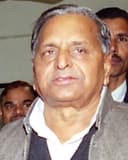



In history
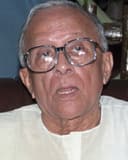
Sheikh Abdullah
1905–1982
Kashmir's dominant figure for half a century, the 'Sher-e-Kashmir'. Naya Kashmir in 1944 and the land-to-the-tiller Big Landed Estates Abolition Act of 1950 went further than any other Indian state dared; Article 370's autonomy was the cause he was jailed for eleven years after his dismissal in 1953, and then bargained away in 1975.
Furthest from the middle on Federalism, toward States.
Where they stand
Sheikh Abdullah on each of the seven scales, from one pole to the other.
Welfare
−8.0Expansive state provisionMinimal/targeted provisionMarkets
−8.0State-led developmentMarket-led developmentRecognition
+2.0Formal equalityGroup remediesNation
−7.0PluralistMajoritarianAuthority
+4.0Civil libertiesStrong stateCulture
−1.0Personal autonomyTraditional normsFederalism
+9.0CentreStates
The record, axis by axis
Every placement is scored on what was said and done — manifestos, legislation, the governing record — and calibrated against the same trade-offs the quiz asks about.
The Naya Kashmir manifesto of 1944 committed the state to free education, a public health service, guaranteed employment and a women's charter of rights — a fuller provision programme than the Congress then offered
The Big Landed Estates Abolition Act 1950 capped holdings at 22.75 acres and transferred hundreds of thousands of acres to the tillers who worked them, with no compensation to landlords, alongside Naya Kashmir's Soviet-modelled National Economic Plan
Dissolved the Muslim Conference into the secular National Conference in 1939 rather than pursue communal representation, but built and defended the state-subject regime behind Article 35A as a permanent group entitlement
Rejected the two-nation theory and Pakistan's claim in 1947 and made Kashmiriyat an explicitly cross-communal idea — against a movement whose base was the Valley's Muslim majority and whose land reform left a lasting Jammu Dogra grievance
His government enacted the Jammu and Kashmir Public Safety Act in April 1978 on a timber-smuggling pretext, allowing detention without trial for two years, and he used it first on political rivals — from a man who had spent some sixteen years across Dogra and Indian jails
Naya Kashmir's 1944 charter of women's rights promised equal pay and equal legal standing, but he led no social-reform legislation and mobilised through the Friday congregation at Hazratbal
Negotiated Article 370 and the 1952 Delhi Agreement, then spent two decades demanding restoration of the pre-1953 relationship; the 1975 Kashmir Accord accepted J&K as a constituent unit and dropped the plebiscite demand, after which his assembly still passed the 1982 Resettlement Act
And where do you stand?
Answer the same trade-offs yourself and get your seven readings, on the scales you just read.
Free · Anonymous · No account