


इतिहास में
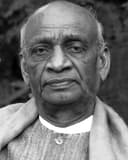
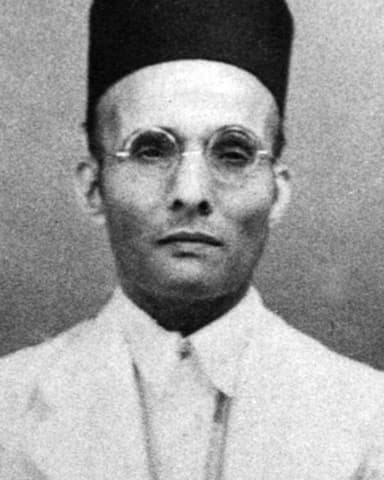
वी.डी. सावरकर
1883–1966
'हिंदुत्व' (1923) के लेखक — राष्ट्र की परिभाषा हिंदू जनसमूह से — और हिंदू महासभा के अध्यक्ष। जाति-रूढ़ियों के ख़िलाफ़ नास्तिक तर्कवादी, जिन्होंने फिर भी वह बहुसंख्यकवादी दलील खड़ी की जो उनके बाद भी चली।
बीच से सबसे दूर राष्ट्र पर — बहुसंख्यकवादी की तरफ़।
ये कहाँ खड़े हैं
वी.डी. सावरकर सातों पैमानों पर, एक छोर से दूसरे छोर तक।
रिकॉर्ड, पैमाने दर पैमाने
हर जगह इस आधार पर तय हुई है कि क्या कहा और क्या किया गया — घोषणापत्र, क़ानून, सरकार चलाने का रिकॉर्ड — और उन्हीं सवालों पर परखी गई है जो यह क्विज़ पूछता है।
सबूत का हवाला अंग्रेज़ी में
Hindu Mahasabha addresses prioritised militarisation and industrial strength over provision, with hostility to socialism as nationally divisive
Pro-industrialisation and explicitly anti-Gandhian on the machine question; treated Communism as an enemy doctrine
Campaigned against untouchability and built the Patit Pavan Mandir open to all castes, but his remedy was assimilation into one Hindu nation, and he opposed separate electorates and special provisions
Coined Hindutva and its punyabhu-pitrubhu test, articulated the two-nation position at Ahmedabad in 1937, and made Hindu Rashtra the goal
'Militarise Hindudom' and a centralised state consolidating the nation — from someone who was himself a revolutionary against state authority in his youth
Rationalist against the 'seven shackles': attacked cow worship as superstition, advocated widow remarriage, inter-caste dining and marriage, and rejected scriptural authority
A unitary Hindu Rashtra of one nation and one culture, opposed to linguistic-provincial fragmentation
और आप कहाँ खड़े हैं?
यही सवाल ख़ुद हल कीजिए और अपनी सात रीडिंग पाइए — उन्हीं पैमानों पर, जो आपने अभी पढ़े।
मुफ़्त · बिना पहचान · अकाउंट नहीं