


इतिहास में
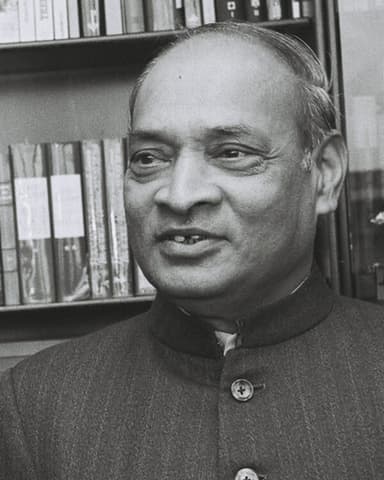
पी.वी. नरसिम्हा राव
1921–2004
1991–96 के प्रधानमंत्री, जिनकी अल्पमत सरकार ने एक ही गर्मी में लाइसेंस राज ढहा दिया। मंडल का 27% भी उन्हीं ने लागू किया और उपासना स्थल अधिनियम भी उन्हीं का है — और बाबरी मस्जिद का विध्वंस भी उन्हीं के कार्यकाल में हुआ।
बीच से सबसे दूर बाज़ार पर — बाज़ार-संचालित विकास की तरफ़।
ये कहाँ खड़े हैं
पी.वी. नरसिम्हा राव सातों पैमानों पर, एक छोर से दूसरे छोर तक।
रिकॉर्ड, पैमाने दर पैमाने
हर जगह इस आधार पर तय हुई है कि क्या कहा और क्या किया गया — घोषणापत्र, क़ानून, सरकार चलाने का रिकॉर्ड — और उन्हीं सवालों पर परखी गई है जो यह क्विज़ पूछता है।
सबूत का हवाला अंग्रेज़ी में
The 1991 stabilisation cut subsidies under an IMF programme, but the same government launched the Employment Assurance Scheme (1993) and, in 1995, both the national mid-day meal scheme and the National Social Assistance Programme — India's first statutory floor of old-age, maternity and family benefit.
The New Industrial Policy (24 July 1991) abolished licensing for all but eighteen industries, scrapped MRTP asset limits and opened most reserved public sectors; two devaluations that month, SEBI made statutory in 1992, the Narasimham banking reforms, peak tariffs cut from over 300% to 50%, and 1994 current-account convertibility.
Issued the September 1993 office memorandum finally putting Mandal's 27% OBC reservation into effect after Indra Sawhney, and gave statutory form to the National Commission for Minorities (1992) and Backward Classes (1993) — while his own instinct produced the 1991 economic-criteria quota the Supreme Court struck down.
Enacted the Places of Worship (Special Provisions) Act (1991), still the main statutory bar on temple-mosque claims, and banned the RSS, VHP and Bajrang Dal after December 1992 — against the failure to act before Babri Masjid fell on 6 December and the riots that followed.
Let TADA lapse in 1995 after some 77,000 arrests and sustained abuse findings — against extending it in 1993, four years of Punjab counter-insurgency run largely through encounter killings, and President's Rule imposed on four states at once
A scholar and polyglot with no social agenda; his government legislated nothing on personal law, prohibition or censorship
The 73rd and 74th Amendments in 1992 constitutionalised panchayats and municipalities with mandatory elections and State Finance Commissions, and ending licensing let states compete for investment directly — against the simultaneous dismissal of four state governments in December 1992
और आप कहाँ खड़े हैं?
यही सवाल ख़ुद हल कीजिए और अपनी सात रीडिंग पाइए — उन्हीं पैमानों पर, जो आपने अभी पढ़े।
मुफ़्त · बिना पहचान · अकाउंट नहीं