


इतिहास में
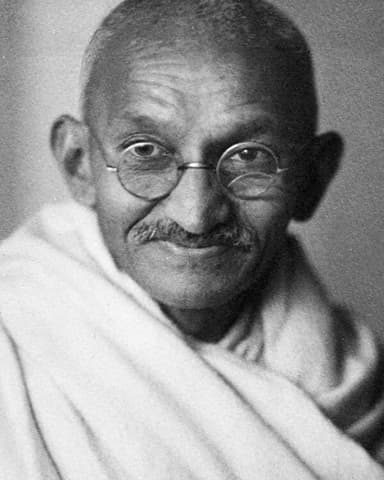
महात्मा गांधी
1869–1948
आज़ादी के आंदोलन का संगठनकारी केंद्र। गाँव-प्रथम अर्थनीति, वर्ग-संघर्ष की जगह ट्रस्टीशिप, बँटवारे के ख़िलाफ़ धार्मिक बहुलता — और अनुशासन किसी पद से नहीं, अपने उपवासों से।
बीच से सबसे दूर राष्ट्र पर — बहुलतावादी की तरफ़।
ये कहाँ खड़े हैं
महात्मा गांधी सातों पैमानों पर, एक छोर से दूसरे छोर तक।
रिकॉर्ड, पैमाने दर पैमाने
हर जगह इस आधार पर तय हुई है कि क्या कहा और क्या किया गया — घोषणापत्र, क़ानून, सरकार चलाने का रिकॉर्ड — और उन्हीं सवालों पर परखी गई है जो यह क्विज़ पूछता है।
सबूत का हवाला अंग्रेज़ी में
Trusteeship put relief on the rich as a moral duty rather than on the state as a fiscal one; antyodaya through village self-provision, not a welfare bureaucracy
'Hind Swaraj' rejects industrial civilisation and swadeshi boycotted foreign cloth — but trusteeship left ownership private and he opposed state planning too, so neither pole fits him
Accepted reserved seats at the Poona Pact while fasting against separate electorates, and pursued temple entry and moral reform rather than legal quota
Fasted in 1947-48 for Muslim safety and for the ₹55 crore transfer to Pakistan, and was killed by a Hindu nationalist for exactly that
Made deliberate disobedience of unjust law a duty, and wanted the state's role in ordinary life minimised
Article 47's prohibition clause is his; add brahmacharya as public ideal and opposition to contraception — offset by his final-years refusal to attend any marriage that was not inter-caste
Gram swaraj: village republics as the governing unit, the 'oceanic circle' against the pyramid, and a proposal to dissolve the Congress itself
और आप कहाँ खड़े हैं?
यही सवाल ख़ुद हल कीजिए और अपनी सात रीडिंग पाइए — उन्हीं पैमानों पर, जो आपने अभी पढ़े।
मुफ़्त · बिना पहचान · अकाउंट नहीं