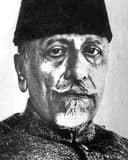



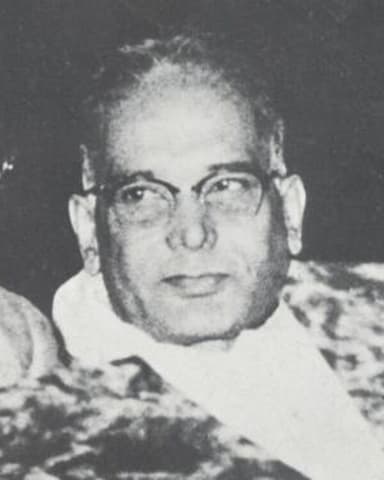
इतिहास में
जयप्रकाश नारायण
1902–1979
कांग्रेस समाजवादी, फिर गांधीवादी, फिर वह शख़्स जिसने जून 1974 में पटना के गांधी मैदान से संपूर्ण क्रांति का आह्वान किया और आपातकाल का सबसे नामी क़ैदी बना। उनकी ज़िंदगी की दलील हर शक्ल की केंद्रित सत्ता के ख़िलाफ़ थी — पार्टी हो, राज्य हो या केंद्र।
बीच से सबसे दूर सत्ता पर — नागरिक स्वतंत्रता की तरफ़।
ये कहाँ खड़े हैं
जयप्रकाश नारायण सातों पैमानों पर, एक छोर से दूसरे छोर तक।
रिकॉर्ड, पैमाने दर पैमाने
हर जगह इस आधार पर तय हुई है कि क्या कहा और क्या किया गया — घोषणापत्र, क़ानून, सरकार चलाने का रिकॉर्ड — और उन्हीं सवालों पर परखी गई है जो यह क्विज़ पूछता है।
सबूत का हवाला अंग्रेज़ी में
Founded the Congress Socialist Party in 1934 and led the All India Railwaymen's Federation from 1947; his Sarvodaya turn moved the burden from state to village, to voluntary Bhoodan and Gramdan land transfer, without abandoning the demand for economic equality.
Marxist in the 1930s, Gandhian decentralist after 1954, he ended rejecting both private capitalism and centralised state socialism for a village-scale economy — leaving no clean position on ownership as this axis frames it.
The Janata government he midwifed constituted the Mandal Commission in January 1979, and the socialist stream he came from carried the special-opportunity plank — but his own 1974 movement ran on anti-corruption, democratic-restoration ground with a largely upper-caste student base.
Served on the 1964 Nagaland Peace Mission and pressed a Kashmir settlement that took Kashmiri opinion seriously, at real political cost — while bringing the Jana Sangh and RSS inside the Janata Party in 1977 and publicly vouching for them.
Founded the People's Union for Civil Liberties and Democratic Rights on his 1976 release; detained at Chandigarh from June 1975 until kidney failure forced release, having called on police and soldiers to refuse illegal orders — the demand Indira Gandhi cited to justify the Emergency.
Sarvodaya asceticism and the Gandhian moral frame, with no personal-autonomy programme; most of this axis's issue space was not live in his lifetime
'A Plea for the Reconstruction of Indian Polity' (1959) is the fullest decentralisation text of independent India: partyless communitarian democracy built upward from the gram sabha, with parliamentary centralisation named as the wrong model for a country this size
और आप कहाँ खड़े हैं?
यही सवाल ख़ुद हल कीजिए और अपनी सात रीडिंग पाइए — उन्हीं पैमानों पर, जो आपने अभी पढ़े।
मुफ़्त · बिना पहचान · अकाउंट नहीं