


इतिहास में
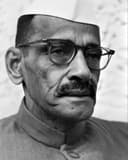
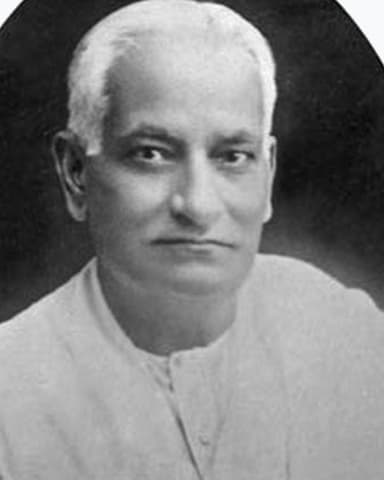
मोतीलाल नेहरू
1861–1931
दो बार कांग्रेस अध्यक्ष — 1919 और 1928 — और सी.आर. दास के साथ स्वराज पार्टी के संस्थापक, जिसने विधानसभाओं के भीतर घुसकर ही उन्हें तोड़ने की लड़ाई लड़ी। उनकी 1928 की संवैधानिक रिपोर्ट ने मुस्लिम लीग की अलग सीटों की माँग की जगह संयुक्त निर्वाचन क्षेत्र और डोमिनियन दर्जे को चुना।
बीच से सबसे दूर राष्ट्र पर — बहुलतावादी की तरफ़।
ये कहाँ खड़े हैं
मोतीलाल नेहरू सातों पैमानों पर, एक छोर से दूसरे छोर तक।
रिकॉर्ड, पैमाने दर पैमाने
हर जगह इस आधार पर तय हुई है कि क्या कहा और क्या किया गया — घोषणापत्र, क़ानून, सरकार चलाने का रिकॉर्ड — और उन्हीं सवालों पर परखी गई है जो यह क्विज़ पूछता है।
सबूत का हवाला अंग्रेज़ी में
A constitutional and party-organisational figure, not a social-policy one; this axis's issue space did not exist in the form he engaged politics
The Swaraj Party (founded with C.R. Das, January 1923) fought British rule through legislative obstruction, not an economic programme; no developed ownership or planning position
The Nehru Report (1928), from the committee he chaired, rejected the Muslim League's demand for separate electorates and reserved seats in favour of joint electorates with only time-limited minority reservations in provinces where a community was a minority — a formal-equality choice that the League's Jinnah rejected outright and answered with his Fourteen Points
The Nehru Report was a secular, unified-India constitutional blueprint built on joint electorates, explicitly resisted by the League as insufficiently protective of Muslim political interests — pluralist by design, not majoritarian
Led legislative obstruction from within colonial institutions rather than extra-constitutional agitation in his Swaraj Party years, later moving toward Gandhian civil disobedience; consistently on the anti-colonial-state side of every fight he had, but this predates the domestic civil-liberties questions the axis is built around
A Western-educated, Anglicised lawyer and bon vivant who was initially sceptical of Gandhi's khadi-and-spinning-wheel traditionalism before adopting it himself in the 1920s — a personal modernist by disposition rather than a cultural traditionalist
The Nehru Report proposed a federal dominion-status constitution with residuary powers vested in the centre, following the Government of India Act model then in force — a mild centre-lean, though the modern Centre-state fights this axis measures postdate him by decades
और आप कहाँ खड़े हैं?
यही सवाल ख़ुद हल कीजिए और अपनी सात रीडिंग पाइए — उन्हीं पैमानों पर, जो आपने अभी पढ़े।
मुफ़्त · बिना पहचान · अकाउंट नहीं